

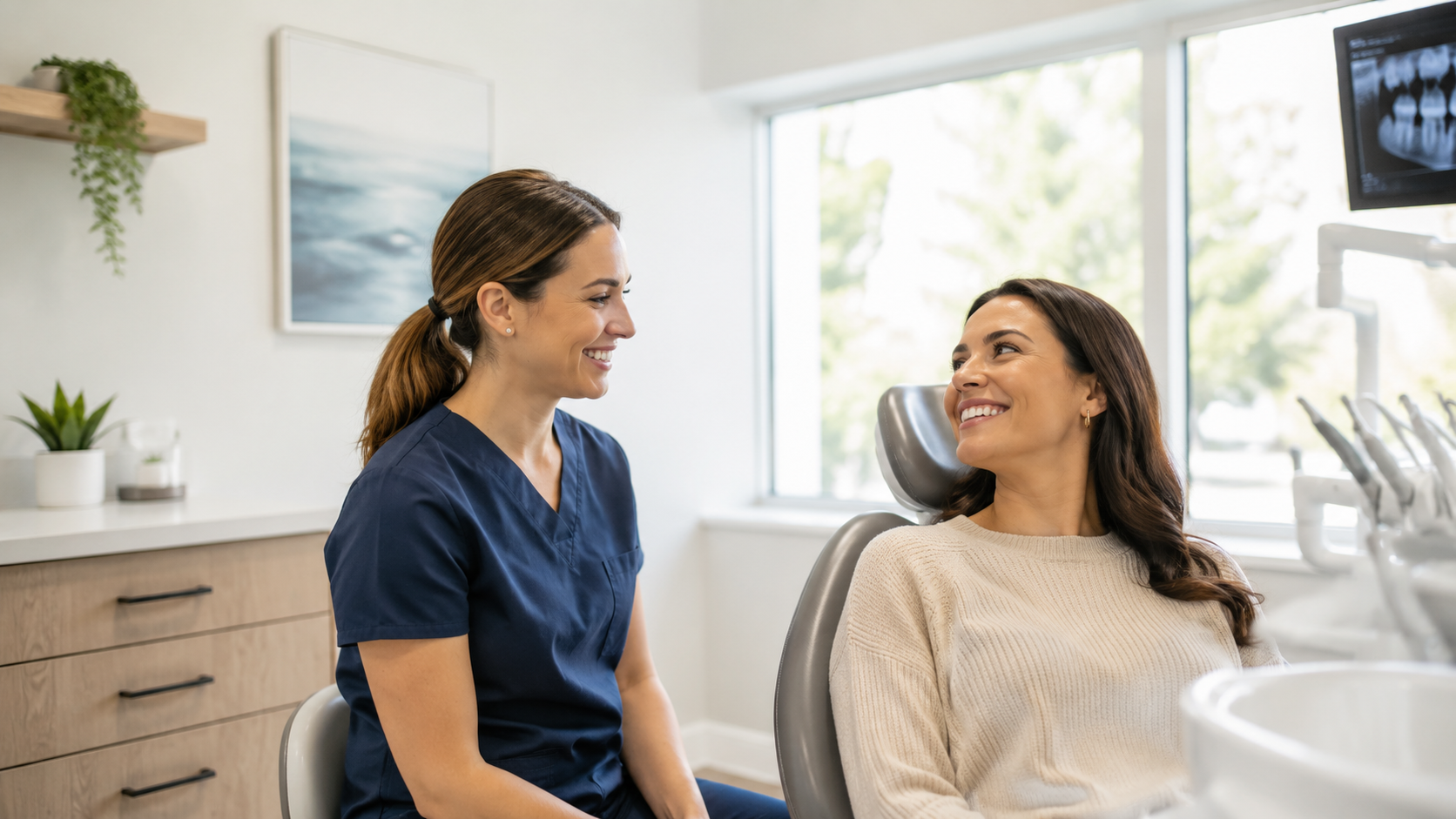
Choosing orthodontic care can feel exciting, but it can also raise a lot of questions. Which option is best? Will treatment be uncomfortable? How long will it take? For families comparing orthodontic treatment options in Rowlett, TX, the good news is that modern orthodontics offers more choices than ever before.
Today’s orthodontic care is not just about creating a straighter smile. It can also help improve bite function, make teeth easier to clean, support long-term oral health, and boost confidence at every age. Children, teens, and adults can all benefit from an orthodontic evaluation when teeth are crowded, spaced, rotated, or not fitting together properly.
This article is for general education only and should not replace a professional dental or orthodontic evaluation. Anyone with tooth pain, jaw discomfort, bite concerns, or questions about treatment options should consult a licensed dental clinician for personalized guidance.
Why Orthodontic Treatment Matters
Many people think orthodontics is mainly cosmetic, but alignment affects more than appearance. When teeth fit together well, chewing can feel more comfortable, speech may be clearer, and brushing and flossing are often easier. Straight teeth can also reduce areas where plaque tends to collect.
Bite problems, also called malocclusions, may include crowding, gaps, overbites, underbites, crossbites, or open bites. Some patients notice these issues early. Others may not realize there is a problem until a dentist points it out during a routine exam.
Orthodontic treatment gently moves teeth over time using controlled pressure. The right approach depends on a patient’s age, oral health, goals, lifestyle, and the complexity of the tooth or jaw movement needed.
Common Orthodontic Treatment Options in Rowlett, TX
Patients exploring orthodontic care in Rowlett often have several treatment choices. Each option has its own advantages, responsibilities, and ideal uses. A consultation helps determine which one fits best.
Traditional Metal Braces
Traditional metal braces remain one of the most reliable and widely used orthodontic treatments. They use small brackets attached to the teeth and connected with wires. Over time, the wires guide teeth into better positions.
Modern metal braces are smaller and more comfortable than many patients expect. They are especially helpful for more complex tooth movements, significant crowding, bite correction, and cases where precise control is important.
Metal braces may be a good fit for children, teens, and adults who want a proven option and do not mind the appearance of braces. Younger patients often enjoy choosing colored elastic bands to personalize their smile during treatment.
Ceramic or Clear Braces
Ceramic braces work similarly to metal braces, but the brackets are tooth-colored or clear. This makes them less noticeable, which many older teens and adults appreciate.
Clear braces can treat many of the same concerns as metal braces. However, they may require a little extra care because ceramic brackets can be more delicate, and certain foods or drinks may stain elastic ties if they are used.
For patients who want the strength of braces with a more subtle look, ceramic braces may offer a comfortable middle ground.
Clear Aligners
Clear aligners are removable, transparent trays that fit over the teeth. Patients switch to a new set of aligners as directed, and each set gradually moves the teeth toward the planned position.
Many adults and teens like clear aligners because they are discreet and removable. Patients can take them out to eat, brush, and floss, which makes daily oral hygiene easier compared with fixed braces.
However, clear aligners require consistency. They typically must be worn for most of the day and night to work properly. If aligners are left out too often, treatment can slow down or become less predictable. They may be best for responsible teens and adults who can follow wear-time instructions carefully.
Early Orthodontic Treatment for Children
Some children benefit from an early orthodontic evaluation, often around age 7. This does not mean every child needs braces right away. Instead, the dentist or orthodontic provider can check how the teeth and jaws are developing.
Early or phase-one treatment may help guide jaw growth, create space for incoming teeth, correct harmful bite patterns, or reduce the risk of more complicated treatment later. Examples may include expanders, limited braces, space maintainers, or habit appliances.
In many cases, the recommendation may simply be to monitor growth and wait until more permanent teeth have come in. Early evaluation gives families helpful information and peace of mind.
Adult Orthodontic Treatment
It is never unusual for adults to consider orthodontics. Many adults choose treatment because they missed braces as a child, had teeth shift after previous treatment, or want to improve their bite and smile before restorative dental care.
Adult orthodontic treatment may involve metal braces, ceramic braces, or clear aligners. The main difference is that adult teeth and bone are fully developed, so treatment planning may need to account for gum health, missing teeth, crowns, bridges, implants, or past dental work.
For adults in Rowlett balancing work, family, and social commitments, discreet options and flexible appointments can make orthodontic care feel more manageable.
How to Know Which Option Is Right
No single orthodontic option is perfect for everyone. The best choice depends on both clinical needs and personal preferences.
During an orthodontic consultation, the dental team may review the patient’s bite, tooth alignment, jaw relationship, gum health, and oral hygiene habits. They may also take digital scans, X-rays, photographs, or impressions to understand the full picture.
Patients are often encouraged to think about practical questions, such as:
- How noticeable does the treatment need to be?
- Is the patient likely to wear removable aligners as instructed?
- Are there bite issues that require more advanced correction?
- How important is easier brushing and flossing during treatment?
- What budget or payment options need to be considered?
- Is the patient a child, teen, or adult with unique growth or dental needs?
A friendly conversation with a dental professional can help narrow the choices and set realistic expectations.
What to Expect at an Orthodontic Consultation
For many patients, the first visit is much easier than expected. The goal is usually to gather information, answer questions, and explain possible treatment paths.
A consultation may include a review of dental and medical history, an exam of the teeth and bite, digital imaging, and a discussion of concerns. The team may ask what the patient hopes to improve, such as crowding, spacing, jaw discomfort, smile appearance, or difficulty cleaning certain areas.
After the evaluation, the provider can explain whether treatment is recommended, which options may work, how long treatment may take, and what the next steps look like. Patients should feel comfortable asking questions. Orthodontic treatment is a partnership, and understanding the plan can make the experience less stressful.
How Long Does Orthodontic Treatment Take?
Treatment time varies widely. Minor tooth movement may take several months, while more involved cases may take one to three years. Children receiving early treatment may have one phase now and another phase later when more permanent teeth arrive.
Several factors can affect timing, including the complexity of the case, the type of appliance used, appointment consistency, oral hygiene, and whether the patient follows instructions. For clear aligners, wearing the trays as directed is especially important.
While it is natural to want fast results, orthodontics works best when tooth movement happens gradually and safely. The dental team’s goal is not just a straighter smile, but a stable, healthy result.
Comfort During Orthodontic Treatment
Modern orthodontic treatment is designed with comfort in mind. Still, patients may feel mild soreness or pressure after braces are adjusted or when switching to a new aligner. This usually means the teeth are responding to gentle movement.
Soft foods, orthodontic wax, warm saltwater rinses, and over-the-counter pain relievers used as directed may help during adjustment periods. Patients should contact their dental office if they have severe pain, broken appliances, poking wires, mouth sores that do not improve, or concerns about how treatment feels.
Comfort also improves when patients know what to expect. A good dental team will explain how to clean appliances, what foods to avoid with braces, and how to handle minor issues at home until an appointment is available.
Caring for Teeth During Orthodontic Treatment
Good home care is one of the most important parts of orthodontic success. Braces and aligners can create new places for plaque to collect, so brushing and flossing need extra attention.
Patients with braces may benefit from an orthodontic toothbrush, floss threaders, interdental brushes, or a water flosser. They should brush carefully around brackets and along the gumline. Sticky, hard, or chewy foods can damage brackets and wires, so avoiding them helps prevent delays.
Patients with clear aligners should remove trays before eating or drinking anything other than water, unless instructed otherwise. Teeth should be brushed before aligners go back in when possible. Aligners also need regular cleaning to stay fresh and clear.
Routine dental cleanings remain important throughout orthodontic treatment. Preventive care helps protect the smile while it is being transformed.
Life After Braces or Aligners: Why Retainers Matter
When active orthodontic treatment ends, the teeth can still shift. Retainers help hold the new alignment while the surrounding bone and tissues adapt.
Retainers may be removable or fixed behind the teeth. The dental team will explain how often to wear them and how to care for them. At first, retainers may need to be worn more often. Later, many patients transition to nighttime wear.
Skipping retainers is one of the most common reasons teeth move after treatment. Patients who protect their results with consistent retainer use can help maintain their new smile for years.
Cost and Payment Considerations
The cost of orthodontic care depends on the type of treatment, the complexity of the case, treatment length, and insurance benefits. Because every smile is different, the most accurate estimate comes after an in-person evaluation.
Many dental offices discuss payment options, insurance coordination, financing, or phased treatment when appropriate. Patients should feel comfortable asking for a clear breakdown of fees, what is included, and whether retainers or follow-up visits are part of the plan.
For families comparing orthodontic treatment options in Rowlett, TX, cost is important, but it should be considered alongside comfort, convenience, provider experience, and long-term oral health goals.
Questions to Ask Before Starting Orthodontic Treatment
Patients can feel more confident when they know what to ask. Helpful questions include:
- Which treatment options are suitable for this bite or alignment issue?
- What are the pros and cons of braces versus clear aligners?
- How long is treatment expected to take?
- How often are appointments needed?
- What foods or habits should be avoided?
- How should teeth and appliances be cleaned at home?
- What happens if a bracket breaks or an aligner is lost?
- What type of retainer will be needed after treatment?
- What costs are included in the treatment estimate?
There are no silly questions when it comes to dental health. A supportive dental team should welcome patient questions and explain recommendations in simple, practical terms.
FAQ About Orthodontic Treatment Options in Rowlett, TX
What is the best age to start orthodontic treatment?
Many children should have an orthodontic evaluation around age 7, but that does not mean treatment will start right away. Some children need early guidance, while others can wait until more permanent teeth come in. Teens and adults can also be good candidates for orthodontic care.
Are clear aligners as effective as braces?
Clear aligners can be very effective for many mild to moderate alignment concerns and some more advanced cases. Braces may be better for certain complex tooth movements or bite corrections. A consultation helps determine which option is more predictable for the patient’s specific needs.
Do braces hurt?
Braces do not usually hurt all the time, but patients may feel soreness or pressure after adjustments. This discomfort is typically temporary. If pain is severe, persistent, or caused by a broken wire or appliance, the patient should contact the dental office.
Can adults get orthodontic treatment?
Yes. Many adults choose braces or clear aligners to improve tooth alignment, bite function, or smile appearance. Adult treatment planning may include special consideration for gum health, existing dental work, or missing teeth.
How often are orthodontic visits needed?
Visit frequency depends on the treatment type and the patient’s progress. Braces often require periodic adjustment visits, while clear aligner patients may have check-ins to monitor movement and receive new trays. The dental team will explain the recommended schedule.
Will insurance cover orthodontic treatment?
Some dental insurance plans include orthodontic benefits, but coverage varies. Patients should review their plan details and ask the dental office for help understanding benefits, estimates, and payment options.
A Straighter Smile Starts With a Conversation
Orthodontic care can make a meaningful difference in how a smile looks, feels, and functions. Whether a patient is interested in traditional braces, ceramic braces, clear aligners, or an evaluation for a child, the first step is a personalized consultation.
For those exploring orthodontic treatment options in Rowlett, TX, Rowlett Family Sentistry and Orthodontics offers a welcoming place to ask questions, understand choices, and plan next steps with confidence. A healthier, more confident smile often begins with one simple conversation.