

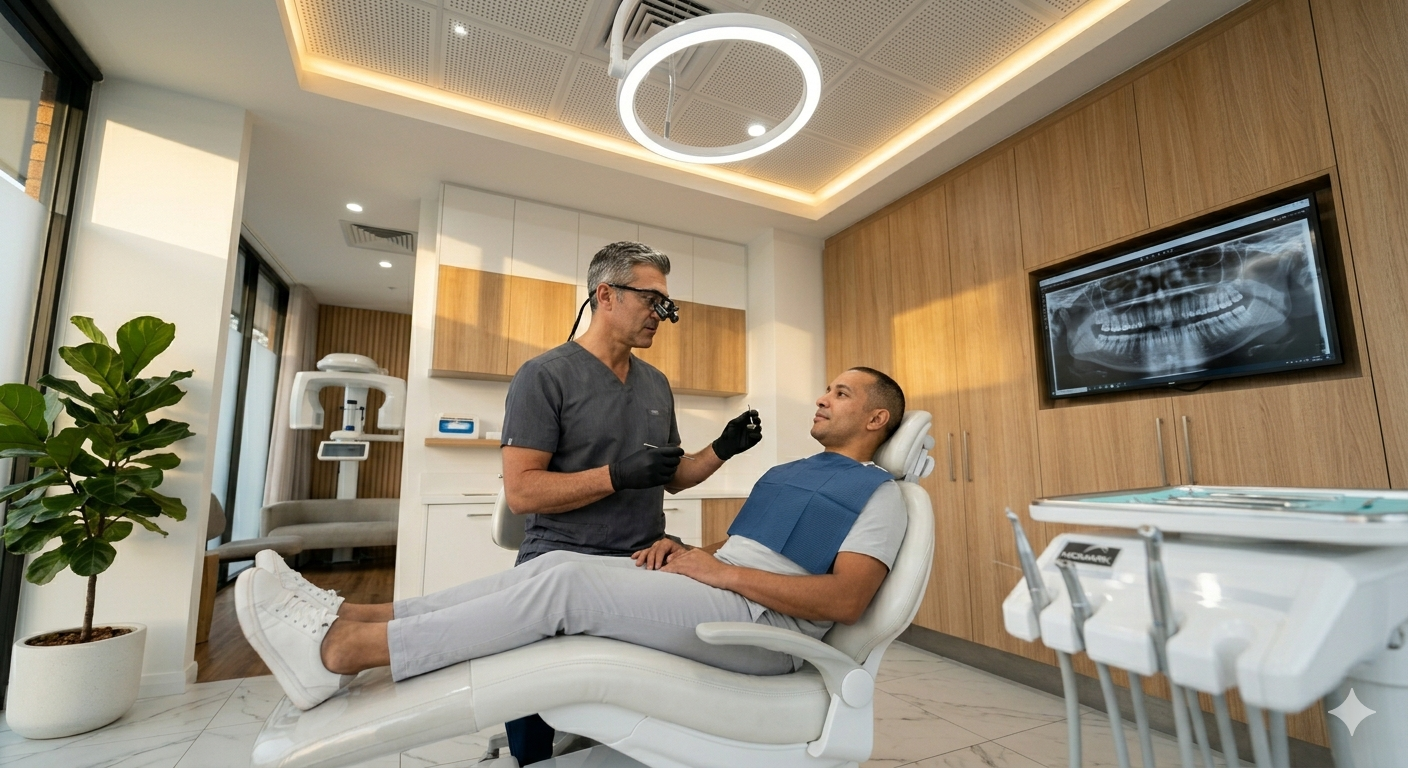
Dental implants in Rowlett, TX, offer a reliable way to replace missing teeth with results that look and feel natural. They act as sturdy anchors, made of titanium, that fuse with the jawbone to support crowns or bridges, helping restore both function and confidence. Many patients find implants a long-lasting solution compared to traditional dentures.
The process might sound complex, but local dental experts in Rowlett make it straightforward and comfortable. They prioritize patient care by using modern technology and gentle techniques to ensure smooth treatment from start to finish.
If someone is dealing with tooth loss or dissatisfaction with dentures, learning about dental implants can open up new options for daily comfort and improved oral health. For those curious, consulting with a Rowlett dentist can be a helpful next step to understand personal suitability and treatment details.
Understanding Dental Implants
Dental implants offer a reliable way to replace missing teeth, closely mimicking natural tooth function and appearance. They come in different types suited for various needs, and their benefits often surpass other tooth replacement options.
What Are Dental Implants?
Dental implants are small titanium posts surgically placed into the jawbone to act as artificial tooth roots. Over time, the bone fuses with the implant through a process called osseointegration, providing a stable foundation.
Once anchored, a crown, bridge, or denture can be attached to restore the missing tooth or teeth. Implants are designed to look and function like natural teeth, allowing for normal biting and chewing without shifting.
Besides improving aesthetics, implants help preserve jawbone health by preventing bone loss often caused by missing teeth. This makes them a preferred choice for long-term dental restoration.
Types of Dental Implants
The most common type is the endosteal implant, placed directly into the jawbone. These are shaped like small screws or cylinders and work well for single or multiple teeth replacements.
Another option is the subperiosteal implant, which sits on top of the jawbone but beneath the gum. This type is less common and is usually used when there’s insufficient bone height for endosteal implants.
Implants can support different restorations:
- Single crowns for one tooth
- Bridges for several teeth in a row
- Full dentures anchored securely without adhesives
The choice depends on the patient’s jawbone condition, number of missing teeth, and overall oral health.
How Implants Compare to Other Tooth Replacement Options
Unlike dentures or bridges, implants don’t rely on adjacent teeth for support. Bridges require grinding down neighboring healthy teeth, which can weaken them over time. Dentures may slip and need adhesives, affecting comfort and speaking ability.
Implants provide better chewing power and stability, making it easier to eat a wider variety of foods. They also help maintain jawbone density, reducing facial sagging that sometimes occurs with tooth loss.
While implants generally cost more upfront, their durability often means fewer replacements and repairs compared to bridges or dentures. For many patients, this long-term value and comfort make implants a preferred solution.
Patients interested in dental implants in Rowlett, TX, should discuss options with their dental professional to find the best fit for their specific needs and lifestyle.
The Dental Implant Process
Getting a dental implant involves several key steps designed to ensure comfort and successful results. From the first visit through healing, each phase is carefully planned to restore function and appearance with minimal discomfort.
Initial Consultation and Evaluation
The process begins with a thorough consultation where the dentist reviews the patient’s medical history and examines the mouth. X-rays or 3D scans are often taken to assess bone density and structure, which are critical for implant stability.
During this visit, the dentist discusses options, answers questions, and creates a personalized treatment plan. They also check gum health to make sure the patient is a good candidate. Clear communication helps set realistic expectations and address any concerns.
Step-by-Step Placement Procedure
On the day of implant placement, the area is numbed with local anesthesia to ensure comfort. The dentist makes a small incision in the gum to expose the jawbone.
A precise hole is drilled, and the titanium implant post is inserted. This post acts as an artificial tooth root. Finally, the gum is stitched closed over or around the implant, depending on the method used.
This outpatient procedure usually takes about one to two hours. Patients may feel mild soreness afterward, but it is manageable with over-the-counter pain relief.
Healing and Integration
After placement, the implant enters a healing phase called osseointegration. During this time, the bone grows around the implant, securing it firmly in place.
This process typically takes 3 to 6 months and is crucial for the implant’s success. Regular check-ups monitor healing and detect any issues early.
Once healed, an abutment is attached to connect the implant to the final crown, restoring full function and aesthetics. Patients are guided on care practices to maintain implant health long-term.
Who Is a Good Candidate?
Dental implants require some specific health and lifestyle factors to ensure success. Candidates should have stable medical conditions, good bone structure, and a commitment to oral hygiene. These aspects work together to support the implant’s long-term function and healing.
Medical Considerations and Contraindications
Not everyone is immediately eligible for dental implants. Certain medical conditions like uncontrolled diabetes, autoimmune diseases, or recent cancer treatments can affect healing. Patients taking medications such as blood thinners or bisphosphonates also need careful evaluation.
Smoking can impair recovery and increase the risk of implant failure. Dentists often recommend quitting before and after the procedure to improve outcomes. Clear communication about your medical history ensures a safer, more predictable implant experience.
Age and Bone Health
Age alone does not exclude someone from getting implants, but healthy bone density is essential. Implants require sufficient jawbone to anchor properly. When bone loss occurs, procedures like bone grafts may be necessary to rebuild support.
Older adults who maintain good bone health and general wellness often do well with implants. Younger patients with developing jaws typically wait until growth is complete. Dental X-rays and scans help determine bone quality before moving forward.
Lifestyle and Oral Hygiene Factors
Regular brushing, flossing, and dental check-ups play a crucial role in implant success. Poor oral hygiene can lead to infections around the implant, known as peri-implantitis. Lifestyle habits, including diet and alcohol use, also impact healing and maintenance.
Consistent care habits and a healthy lifestyle increase the chances that dental implants last for many years. Dentists encourage patients to view implants as a long-term investment that requires ongoing attention to keep them strong and comfortable.
Benefits of Choosing Implants Locally
Selecting dental implants nearby offers practical and personal advantages that can improve both treatment outcomes and comfort. Local care often means quicker appointments, easier follow-ups, and a team familiar with your needs and community.
Unique Advantages of Care in Rowlett
Dental implant providers in Rowlett are well-acquainted with the specific health patterns and lifestyles common in the area. This knowledge allows them to tailor treatments, considering factors like local diet and climate that may affect healing and maintenance.
Access to the latest technology is common in Rowlett clinics, blending modern implant methods with a community-centered approach. Patients benefit from shorter wait times, flexible scheduling, and continuity of care—important for treatments that require multiple visits.
Personalized Patient Experience
Local dentists prioritize creating a comfortable, personalized experience. Meeting face-to-face in a familiar office helps build trust, making it easier for patients to share concerns or preferences.
They often take extra time to explain the process clearly and outline realistic expectations. This one-on-one approach helps reduce anxiety and supports patients throughout recovery. Customized care plans also accommodate individual needs like budget, oral health, and lifestyle.
Support from a Trusted Local Team
Choosing a local implant provider means ongoing support is close by, which is crucial for monitoring implant success and addressing any issues promptly. The team often knows patients beyond the clinical setting, strengthening relationships and improving communication.
Emergency care tends to be faster and more coordinated with a nearby dentist. Patients can also rely on their provider for advice on regular maintenance and preventive care, ensuring implants last longer while preserving overall oral health.
Caring for Your Dental Implants
Maintaining dental implants requires consistent attention to hygiene, regular professional checkups, and protecting the implants from damage. These steps help ensure implants last many years by preventing infection, mechanical wear, and other common problems.
Daily Hygiene Tips
Brushing dental implants twice daily with a soft-bristled toothbrush is essential to remove plaque and food debris. Using a low-abrasive toothpaste helps avoid scratching the implant surface or surrounding gum tissue.
Flossing around the implants once a day is critical. Specialized floss or interdental brushes designed for implants can reach tight spaces where bacteria tend to accumulate. Rinsing with an antimicrobial mouthwash can also reduce harmful bacteria in the mouth.
Avoid using hard or metal picks, as these can harm the implant or gum tissues. Daily care prevents peri-implantitis, a common inflammation that threatens implant stability if left unmanaged.
Recommended Checkups and Maintenance
Regular dental visits, typically every 6 months or as advised, allow the dentist to monitor implant health closely. During checkups, professionals inspect the implant, surrounding gum tissue, and bone integration.
Professional cleanings remove any hardened deposits that normal brushing cannot eliminate. The dentist may also take X-rays to ensure the implant remains securely anchored in the jawbone.
If any issues such as inflammation, gum recession, or mobility are detected early, treatment can prevent implant failure. Patients should inform their dentist promptly if they notice pain, swelling, or unusual changes around their implant.
Protecting Your Investment
Avoid habits that place excessive force on dental implants, such as chewing ice, hard candies, or using teeth as tools. These actions can chip or loosen the implant crown.
Wearing a custom night guard is advisable for patients who grind or clench their teeth. This device cushions the implant and protects it from mechanical stress during sleep.
Maintaining a balanced diet rich in vitamins supports overall oral tissue health. Smoking cessation is also crucial as tobacco use impairs healing and increases the risk of implant complications. Taking these precautions helps implants serve their purpose for many years.
Common Concerns About Implants
Dental implants often raise questions about the procedure, durability, and what to expect during recovery. Understanding these details can help patients feel more confident and prepare for a smoother experience.
Comfort During the Procedure
Patients often worry about pain during implant placement. Modern dental techniques use effective local anesthesia, ensuring the area is numb and patients feel minimal discomfort. Some offices also offer sedation options for extra relaxation.
The actual process typically takes under an hour, depending on how many implants are placed. After the procedure, mild soreness and swelling are common but manageable with over-the-counter pain relievers. Most patients compare the discomfort to a simple tooth extraction, and it usually subsides within a few days.
How Long Implants Last
Dental implants are designed to be a long-lasting solution. With proper care, they can last 20 years or more, often a lifetime. The titanium posts fuse with the jawbone, creating a stable and durable foundation for replacement teeth.
Oral hygiene plays a critical role in implant longevity. Regular brushing, flossing, and dental check-ups help prevent gum disease and bone loss around the implant. Avoiding smoking and excessive alcohol also improves implant success.
Managing Expectations
Implants require time and patience. The entire process, from placement to final restoration, can take several months due to healing and bone integration. Patients should expect multiple appointments.
Some cases may need additional procedures like bone grafting to support the implant. Results depend on individual health, bone quality, and adherence to post-procedure care. Realistic expectations and open communication with the dentist make for better outcomes.
If questions come up about whether implants are the right choice, consulting with a Rowlett dental professional can provide personalized insights and comfort.
Restoring Confidence and Quality of Life
Dental implants not only replace missing teeth but also help restore important daily functions. They support natural chewing, match the appearance of real teeth, and offer long-lasting satisfaction that significantly improves a person’s comfort and self-esteem.
Improved Function and Chewing
Dental implants act like real tooth roots, anchoring replacement teeth securely in the jawbone. This stability allows patients to chew a wider variety of foods without discomfort or fear of slipping dentures.
Since implants prevent bone loss that often happens after tooth loss, they maintain jaw strength and shape. Patients can enjoy better digestion by properly breaking down food, which improves overall health.
Compared to dentures, dental implants require less adjustment and provide a more consistent bite force. This makes eating easier and more natural.
Natural-Looking Results
Implants are customized to match the color, shape, and size of surrounding teeth. This personalized approach creates a seamless look that blends well with the patient’s smile.
The materials used—typically porcelain or ceramic—reflect light much like natural enamel. This gives implants a vibrant, lifelike appearance that resists stains over time.
Because implants are fixed in place, they eliminate the worry of shifting or slipping, allowing patients to speak and smile with confidence. The restored teeth complement facial features and support lips to prevent a sunken look often caused by missing teeth.
Long-Term Satisfaction
With proper care, dental implants can last for decades, making them a smart long-term investment for oral health and lifestyle. Many patients find the one-time commitment preferable to the ongoing adjustments required with dentures or bridges.
Regular dental checkups and good oral hygiene are essential to maintain the implants’ health. Patients often report significant improvements in comfort, function, and self-esteem, creating lasting positive effects.
The durability and natural feel of dental implants help many people regain normal routines and social confidence quickly after treatment.
Financing and Payment Options
Dental implants are an investment in long-term oral health. Understanding how to manage the cost through insurance, payment plans, and evaluating value helps patients make informed decisions that fit their budgets comfortably.
Insurance and Benefits
Many dental insurance plans cover at least part of the implant process, typically the crown or restoration rather than the implant posts themselves. Patients should check if their policy includes benefits for implants or related procedures like extractions or bone grafts.
Some major insurers in Rowlett, TX, offer partial coverage up to a specified annual limit, which can offset out-of-pocket expenses significantly. However, coverage varies widely by plan. Patients are encouraged to contact their insurance provider early to verify what treatments will be reimbursed and the expected coverage percentages.
Dental offices often assist with submitting insurance claims and explaining benefit details, helping avoid surprises. Knowing exactly what insurance covers helps patients budget effectively before starting implant treatment.
Flexible Payment Plans
Most dental practices in Rowlett offer flexible payment options to ease the financial burden. This includes breaking down the total implant cost into smaller monthly payments over a few months or even years, depending on the plan.
Some clinics partner with third-party financing companies that provide low or no-interest loans, allowing patients to spread payments without accruing extra fees if paid on time. These plans often require simple qualification processes.
Patients should ask about any setup fees, interest rates, or penalties for late payments to choose the best option. Transparent payment plans can make implants more accessible without compromising treatment quality.
Value Versus Cost
Dental implants often come with a higher upfront cost than alternatives, but they offer durability, comfort, and function that lasts many years. This long-term value can reduce the need for future dental work that removable dentures or bridges might require.
Implants also help maintain jawbone health and natural facial structure, benefits difficult to measure but important for overall quality of life. Patients should weigh initial expenses against these lasting outcomes.
It’s helpful to compare costs including maintenance, replacements, and oral health impact to decide if implants represent a better financial and health investment over time. Transparency about realistic costs helps patients plan realistically and confidently.
Next Steps Toward a Healthier Smile
After deciding on dental implants in Rowlett, TX, the first step is scheduling a consultation with a trusted local dentist. During this visit, the dentist will evaluate oral health, discuss options, and tailor a treatment plan that fits each patient’s needs.
Patients should prepare by gathering dental history and considering any questions about the procedure or recovery. Understanding what to expect helps reduce anxiety and sets realistic goals for the implant process.
Maintaining good oral hygiene is essential before and after getting implants. Simple habits like brushing twice a day, flossing, and regular check-ups support long-term success and keep gums healthy.
Here’s a quick checklist of what to do next:
| Step | Action |
|---|---|
| Consultation | Book an appointment with a specialist |
| Health Review | Discuss medical and dental history |
| Treatment Planning | Clarify procedure details and options |
| Oral Care | Follow hygiene instructions carefully |
| Follow-up Visits | Attend scheduled check-ups for healing |
Patients often find comfort knowing their implant journey is supported at every stage. The dental team is available to answer questions and guide them toward a stronger, more confident smile.
Frequently Asked Questions
Dental implants can be a great solution for missing teeth, but many details come into play regarding candidacy, timing, comfort, and care. Understanding these points helps patients feel confident and prepared when considering implants.
Am I a good candidate for dental implants, and what factors could affect my eligibility?
Candidates need healthy gums and sufficient jawbone to support the implant. Conditions like uncontrolled diabetes, smoking, or certain medications may affect healing and eligibility.
A dental evaluation, including X-rays or scans, helps determine if someone has enough bone and healthy tissues for a successful implant.
How long does the dental implant process usually take from start to finish?
The process typically takes about 3 to 6 months, sometimes longer depending on individual healing times. This includes initial consultation, implant placement, healing, and attachment of the crown.
In some cases, temporary teeth can be placed during healing to maintain appearance and function.
Will getting a dental implant hurt, and what can I expect for comfort and healing?
The implant procedure is done under local anesthesia, so patients usually feel little to no pain during surgery. Mild discomfort, swelling, or bruising can be expected in the days following.
Most patients manage discomfort with over-the-counter pain medicine and find healing comfortable with proper care.
What are my options if I don’t have enough bone for an implant?
Bone grafting or sinus lift procedures can help rebuild bone where it’s lacking. These treatments add volume and support to provide a stable foundation.
Advanced technology and careful planning improve the success of implants after bone augmentation.
How do dental implants compare to bridges or dentures for replacing missing teeth?
Implants replace tooth roots, which helps preserve jawbone and prevent bone loss, unlike bridges and dentures. They offer better stability and feel more natural.
Bridges and dentures may require altering nearby teeth or frequent adjustments, while implants are a long-lasting solution.
How do I care for a dental implant long-term, and how long can it realistically last?
Implants require daily brushing, flossing, and regular dental check-ups, just like natural teeth. Avoiding smoking and maintaining good oral hygiene help prevent complications.
With proper care, dental implants can last 15 years or more, often a lifetime, making them a durable investment in oral health.